
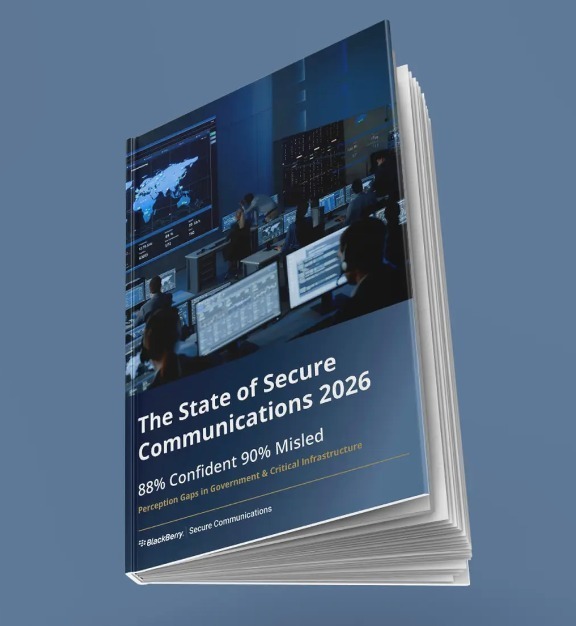
Security leaders exhibit a dangerous overconfidence in commercial messaging apps due to a fundamental misunderstanding of cryptographic protections.
A false sense of digital security is permeating the highest levels of government and critical infrastructure management. A comprehensive survey of cybersecurity decision-makers reveals that 88% feel confident in their current mobile messaging tools. However, this assurance is built upon critical flaws in encryption literacy, leaving vital national systems exposed to sophisticated state-sponsored intelligence gathering operations.
The BlackBerry Secure Communications report indicates that top executives fundamentally misinterpret the scope of end-to-end encryption. More than half of the respondents erroneously believe that encryption conceals metadata, such as IP addresses, location pings, and user habits. Furthermore, 47% assume it neutralizes spoofing or deepfake impersonations, while 41% dangerously believe communications remain impenetrable even after the physical device has been breached by malicious actors.
The Shift in Global Threat Surfaces
This widespread misunderstanding aligns with a surge in targeted attacks against public officials. Intelligence agencies across Europe, the UK, and the US have recently issued urgent warnings regarding the exploitation of commercial platforms like Signal and WhatsApp by hostile foreign actors. The threat vector has decisively moved away from traditional network intercepts toward the consumer applications that officials now use for daily logistical operations.
“That gap is already being exploited, as recent intelligence warnings show, and governments and critical infrastructure organizations are responding by moving toward communications infrastructure they own and trust.”