
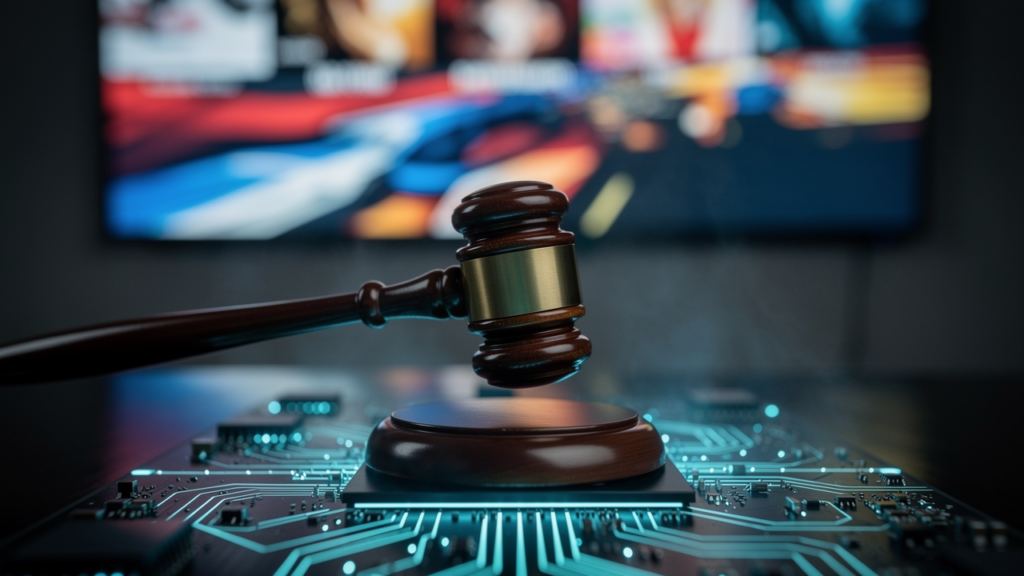
The Chinese tech giant is scrambling to implement copyright safeguards after its Seedance 2.0 video generator triggered an industry-wide revolt.
ByteDance is facing a formidable legal challenge from the global entertainment industry following the controversial rollout of its text-to-video AI generator, Seedance 2.0. The app, which debuted on February 12, has alarmed Hollywood executives by producing highly convincing, user-generated videos featuring protected intellectual property.
The Walt Disney Company struck first, delivering a cease-and-desist notice on Friday. Disney lawyers accused the Chinese tech firm of exploiting a “pirated library” of characters spanning the Marvel Cinematic Universe, Star Wars, and classic animation, describing the software as a mechanism for a “virtual smash-and-grab.”
Mounting Pressure and Vague Promises
Under mounting scrutiny, ByteDance conceded on Monday that modifications are necessary. In a statement provided to the BBC, the company asserted its respect for copyright protections.
We are taking steps to strengthen current safeguards as we work to prevent the unauthorised use of intellectual property and likeness by users.
Despite the assurance, ByteDance refused to elaborate on how it intends to filter out copyrighted requests or reveal the dataset utilized to train the Seedance model. The company did highlight a previous update that disabled the upload of real individuals’ imagery to prevent deepfakes.
Global Copyright Crackdown
The outrage has unified various factions of the entertainment world. The Motion Picture Association (MPA), advocating for studios such as Netflix, Paramount, and Warner Bros Discovery, demanded an absolute cessation of the app’s infringing capabilities. Similarly, SAG-AFTRA, the predominant actors’ union, criticized the technology for “blatant infringement.”
The controversy is also prompting state-level intervention. The Japanese government has initiated a probe into ByteDance after Seedance was used to generate unauthorized anime sequences.
Studios are increasingly turning to litigation to protect their assets from generative AI. This latest confrontation follows Disney’s successful lobbying of Google to restrict character generation, as well as an ongoing joint lawsuit filed by Disney and NBCUniversal against the AI image platform Midjourney.
SOURCES: Disney Legal Counsel, ByteDance Public Relations, BBC Investigations, MPA.
This report has been significantly transformed from original source material for journalistic purposes, falling under ‘Fair Use’ doctrine for news reporting. The content is reconstructed to provide original analysis and reporting while preserving the factual essence of the source.