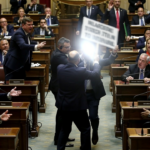


Representatives Ro Khanna and Thomas Massie accuse the Justice Department of intentionally obscuring the truth by publishing a context-free list of figures mentioned in the Epstein archives.
A bitter dispute has erupted between Capitol Hill and the Department of Justice over the execution of the Epstein Files Transparency Act. Following the DOJ’s weekend announcement that it had completed its mandated document dump, the lawmakers who drafted the legislation accused the agency of obfuscation and non-compliance.
The controversy centers on a letter sent by Attorney General Pam Bondi and Deputy Attorney General Todd Blanche to the chairs and ranking members of the House and Senate Judiciary Committees. The correspondence included a master list of politically exposed individuals whose names appear anywhere within the millions of released pages, ranging from direct email correspondents to passing references in archived news clippings.
Absurd Comparisons
California Democrat Ro Khanna took to social media to denounce the DOJ’s methodology. He argued that publishing a flattened list without contextualizing the nature of the mentions serves only to protect actual abusers.
To have Janis Joplin, who died when Epstein was 17, in the same list as Larry Nassar… with no clarification of how either was mentioned in the files is absurd.
Khanna demanded the release of the “full files” with only survivor names redacted. His Republican counterpart, Thomas Massie, highlighted a different structural failure. Massie claims the DOJ is illegally shielding internal memorandums detailing why prosecutors historically chose not to charge certain Epstein associates, hiding behind claims of deliberative privilege.
The DOJ letter maintains that no files were kept hidden due to political sensitivity. High-profile names on the list include Bill Clinton, Donald Trump, and Andrew Mountbatten-Windsor, though their presence in the files does not inherently suggest criminal misconduct. This latest clash follows recent DOJ apologies for technical errors that accidentally exposed victim photographs and email addresses in earlier data releases.
SOURCES: Congressional Correspondence, ABC News, Social Media Statements.
This report has been significantly transformed from original source material for journalistic purposes, falling under ‘Fair Use’ doctrine for news reporting. The content is reconstructed to provide original analysis and reporting while preserving the factual essence of the source.