
Deputy Attorney General engages in public spat with Congress members after they reveal “likely incriminated” names were hidden from the public.
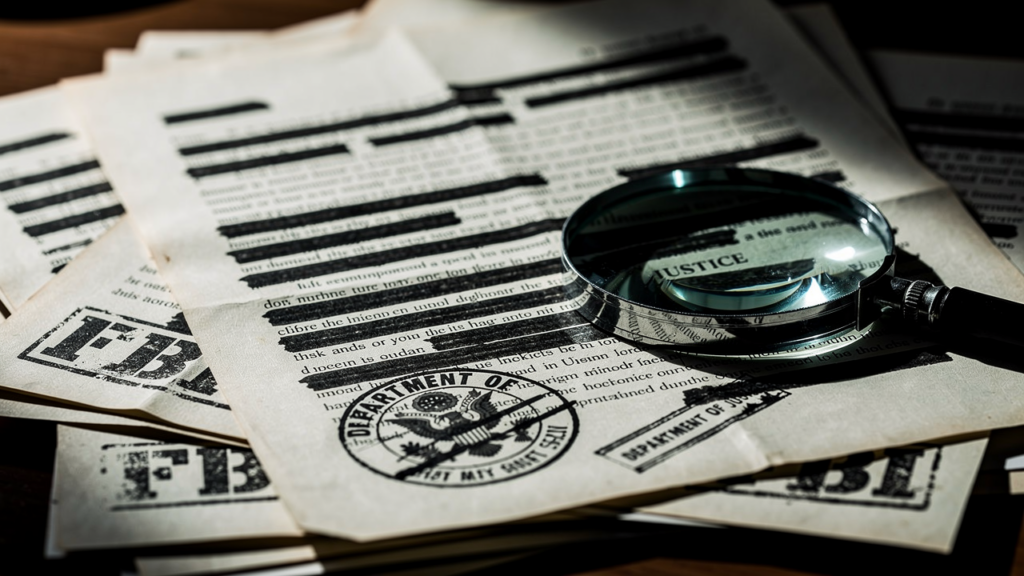
The Department of Justice has hurriedly re-issued portions of the Jeffrey Epstein case files after members of Congress discovered that key names had been improperly redacted. The disclosure came after Representatives Thomas Massie and Ro Khanna were granted access to the raw, unredacted intelligence archives, revealing a discrepancy between what the FBI holds and what was released to the American public.
The lawmakers focused on a specific list of associates, which Massie claimed contained the names of six men whose inclusion in the files suggests criminal liability. In the version initially released to the public, these names were obscured. “The core issue is that they’re not complying with my law,” Khanna told reporters, referencing the Epstein Files Transparency Act.
Real-Time Corrections
The standoff played out in real-time on social media. After Massie highlighted the omission of a “well known retired CEO” from a list of co-conspirators, Deputy Attorney General Todd Blanche announced within hours that the name had been restored to the public record. Blanche insisted that “DOJ is hiding nothing” and that the error stemmed from processing older FBI forms that had been “scrubbed” in March.
A separate flashpoint emerged regarding an email exchange involving a foreign Sultan discussing travel and a “torture video.” Massie accused the DOJ of protecting the Sultan’s identity. Blanche pushed back, clarifying that while the Sultan’s name was available elsewhere in the files, the specific redaction was legally required to mask a private email address.
Stop grandstanding. The law requires redactions for personally identifiable information.
Despite the DOJ’s corrective actions, Khanna maintains that the initial release violated the EFTA. He argues that the Department of Justice failed to remove legacy FBI redactions before the November release deadline, effectively shielding the identities of “rich and powerful” men from public scrutiny.
SOURCES: Congressional Statements, Department of Justice, Social Media Correspondence.
This report has been significantly transformed from original source material for journalistic purposes, falling under ‘Fair Use’ doctrine for news reporting. The content is reconstructed to provide original analysis and reporting while preserving the factual essence of the source.