
The betrayal and subsequent imprisonment of “El Mayo” Zambada has shattered the unity of the world’s most powerful drug syndicate, turning former allies into deadly rivals.
Culiacán, the heart of the Sinaloa Cartel’s operations, has transformed into a war zone as the organization splits into warring factions. The conflict erupted approximately 18 months ago following the alleged betrayal of a senior leader by the son of another founding member. The resulting power vacuum, exacerbated by the incarceration of Ismael “El Mayo” Zambada in a United States federal prison, has ended decades of relative stability within the group often referred to as “the Federation.”
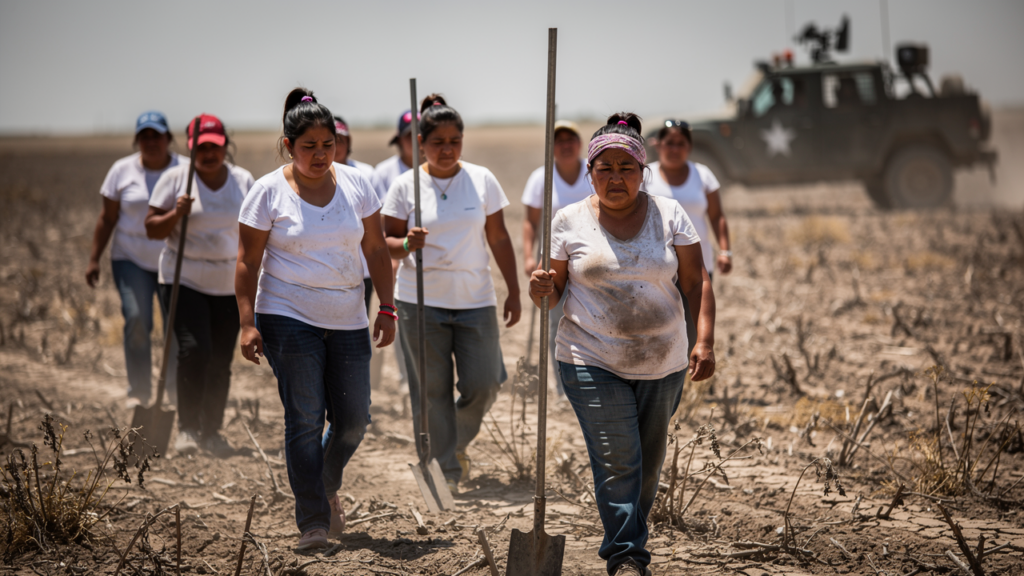
The current violence is characterized by its unprecedented duration and brutality. Local residents describe a shift from a “family-run business” to a fratricidal war where former colleagues now target one another’s families, businesses, and assets. In the San Rafael neighborhood and other residential sectors, daily homicides have become the norm, with some estimates suggesting a 70% increase in emergency call-outs related to violent crime over the last year. The presence of heavily armed soldiers and marines has done little to deter the daily cycle of targeted assassinations.
“Sinaloa cartel was like a family. They were friends, they ate at the same table… suddenly they were fighting and locked in a deadly feud.”
The hallmark of this internal conflict is the use of extreme psychological warfare. Mutilated remains are frequently left in public spaces, such as shopping malls and major highways, accompanied by threatening messages. These displays are intended to demoralize opposing factions and label victims as traitors. The fragmentation has made the city of Culiacán a “ghost town” after sunset, as self-imposed curfews take effect and residents seek to avoid the frequent crossfire between the military and cartel gunmen.
Despite the federal government’s claims of progress, the cartel’s production of synthetic opioids like fentanyl appears to have continued unabated. Faction leaders, speaking under condition of anonymity, maintain that as long as international demand remains high, the production will persist. They suggest that the only end to the bloodshed will come when one faction successfully eliminates its rivals to achieve total territorial control.
SOURCES: State Attorney General’s Office of Sinaloa, Mexican National Guard, Culiacán Forensic Services, BBC Monitoring.
This report has been significantly transformed from original source material for journalistic purposes, falling under ‘Fair Use’ doctrine for news reporting. The content is reconstructed to provide original analysis and reporting while preserving the factual essence of the source.