

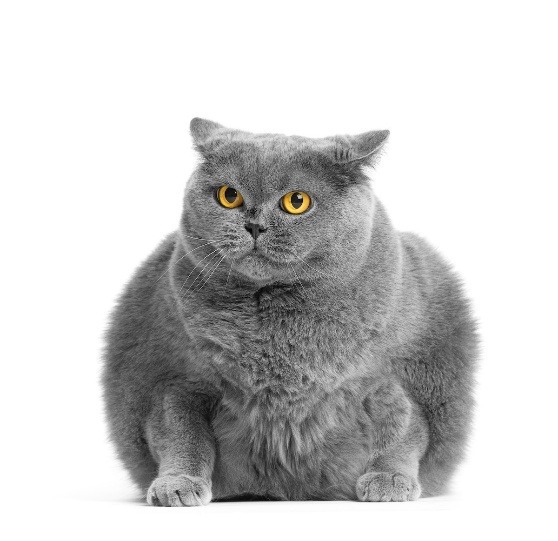
A comprehensive study published in Frontiers in Animal Science revealed that domestic cats fed plant-based diets experience lower rates of overweight conditions and associated health complications compared to felines on traditional meat-based regimens, highlighting intriguing lifestyle patterns across pet care practices.
Conducted online, the research examined caregiver-reported veterinary assessments representing 1,305 cats maintained for at least one year on conventional meat diets (90 percent) or vegan diets (10 percent). After adjusting for age, sex, neuter status, activity levels, and feeding routines, cats consuming vegan diets were 34 percent less likely to be assessed as overweight, though this variance lacked statistical significance due to the comparatively small cohort of plant-fed felines.
Weight management remains a prevalent challenge for companion animals, with veterinary data estimating that roughly 30 to 60 percent of domestic cats are overweight or obese. Excess weight consistently correlates with serious secondary conditions, including osteoarthritis, diabetes, urinary tract disorders, and an overall reduction in vitality and well-being.
Veterinary Findings and Feeding Patterns
Andrew Knight, adjunct professor at Murdoch University School of Veterinary Medicine in Australia and the lead researcher of the project, emphasized that the observations illustrate notable lifestyle trends:
“People who fed their cats vegan diets also reported lower rates of weight-related conditions, such as osteoarthritis and other musculoskeletal and mobility problems. However, the relatively small number of cats fed vegan diets means these results cannot be considered definitive.”
Knight pointed out that daily feeding habits among the vegan group ran counter to typical weight-gain patterns seen in feline care:
“Interestingly, most cats fed vegan diets consumed primarily dry food and were more likely to have food available throughout the day. These are feeding practices normally associated with increased risk of being overweight. Yet we observed lower rates of overweight cats in this group.”
The investigation noted that nutrition alone does not dictate feline body mass, as age, sex, desexing status, and activity levels consistently influence physical condition. While the commercial products were not directly analyzed in the study, researchers suggested that some commercial vegan cat foods might feature higher fiber alongside reduced caloric and fat profiles, while potential variations in L-carnitine levels may support energy metabolism and lean tissue preservation.
Knight underscored that the findings serve as an initial benchmark rather than a conclusive verdict on feline nutrition:
“We cannot conclude from this study that vegan diets definitely protect cats from being overweight, but we did identify a consistent pattern that is well worth further investigation. The ideal next step would be a larger, prospective study directly measuring what cats eat, their energy intakes, and their body conditions.”
Addressing guardians directly, Knight highlighted the necessity of nutritional safety:
“Cat owners should always ensure their cats receive nutritionally complete diets and choose commercial vegan foods properly supplemented to provide all essential nutrients.”
Study link: https://www.frontiersin.org/journals/animal-science/articles/10.3389/fanim.2026.1939965/full
Institutional affiliations for Professor Andrew Knight:
School of Veterinary Medicine, College of Environmental and Life Sciences, Murdoch University, Perth, Australia
School of Environment and Science, Griffith University, Brisbane, Australia
Faculty of Health and Wellbeing, University of Winchester, Winchester, United Kingdom
Sustainable Pet Food Foundation, London, United Kingdom